Valentina Oropeza
About Meradio valentina oropeza
VALENTINA OROPEZA

I am Valentina Oropeza,
I tell stories to understand how we make decisions under extreme conditions.
I tell stories to understand how we make decisions under extreme conditions.
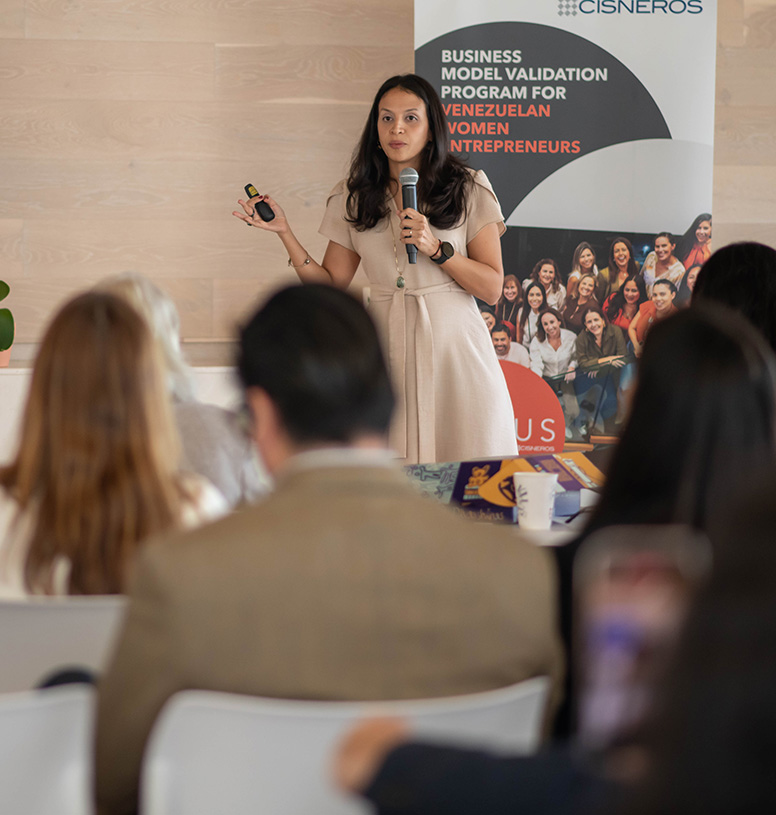
For more than 20 years, I have worked as a journalist for local and international media in Latin America and the United States. Today I also bring the lessons of these stories to stages and classrooms, in English and Spanish:
Keynotes and Talks
on decision-making and resilience in extreme contexts, for companies, universities, and general audiences.
Workshops
for journalists and teams working in hostile environments, including a safety module for women.
I focus on one person, one family, or one community to understand what threatens them, how they face conflict, and what they do to move forward.
These stories reveal violence, trauma, and injustice, often born of the institutions meant to protect the victims. But they also reveal courage and determination. And more often than not, it is love that drives their protagonists to seek a way out, confront their abusers, or escape.
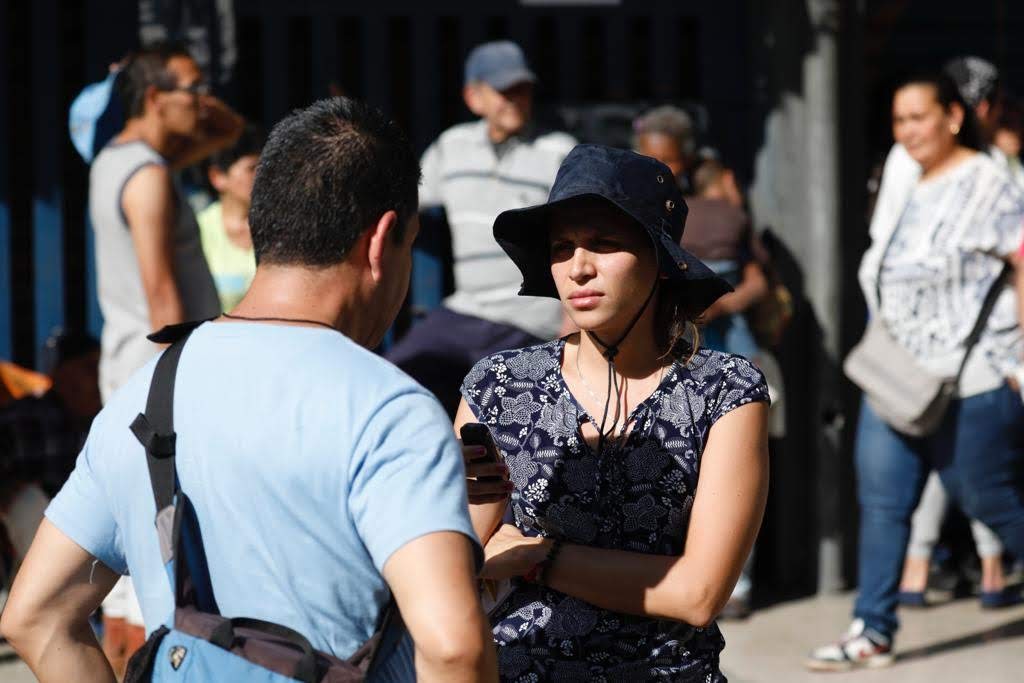
My interviews unfold in layers until they reach the core. Sometimes there are tears, or requests for anonymity out of fear of reprisal. Almost everyone thanks me afterward for listening. Along the way, I learn from them, about myself, and about the societies of the Americas.
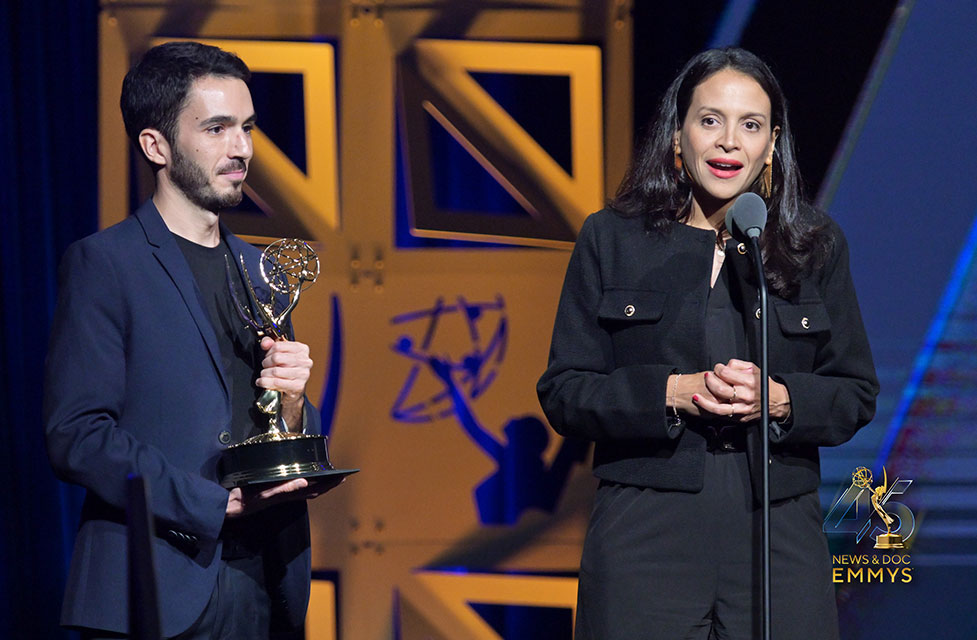
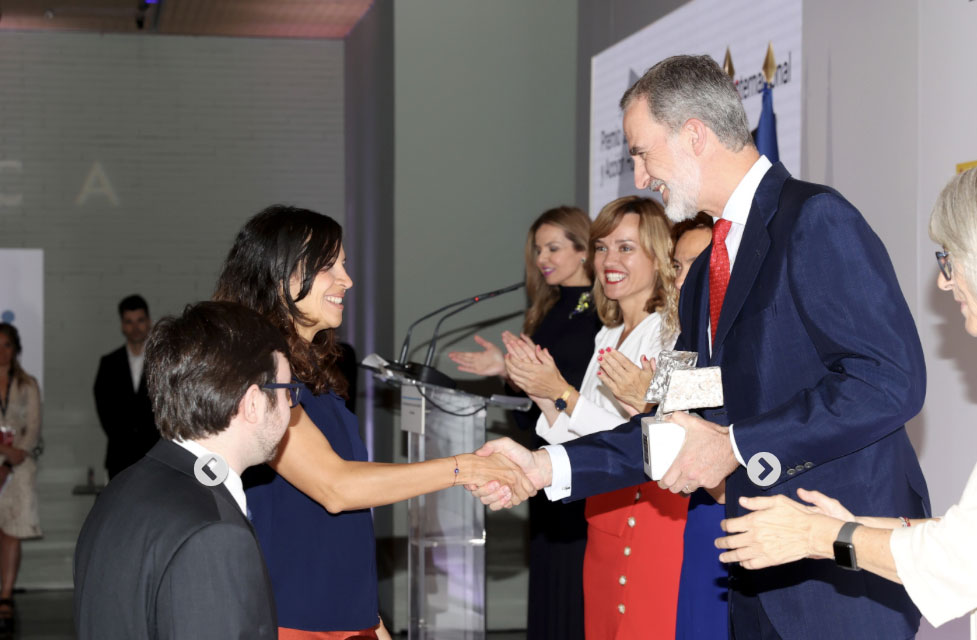
My work has received numerous awards from organizations and institutions in Latin America, the United States, and Europe.
Why I tell these stories
Migrating offered me an opportunity to escape grief. Taking care of paperwork, looking for a place to live, opening a bank account, finding my way on a new map.
But when I moved to the United States in January 2022, three months after my father’s death, I wanted to do exactly the opposite: avoid making decisions and just stop so I wouldn’t have to move forward.
Where was my home at that moment? Was it a place, or rather the people I loved? Could I build a new home in the United States? What did the word “home” really mean?
Everything was happening in another language, at a pace too fast to grasp, and with no room to grieve him, or to be there for the family who stayed behind.
I had spent years covering the humanitarian emergency inside Venezuela, most of them leading the investigative unit I founded at Prodavinci: patients who never finished their treatments because there were no medicines, children dying of malnutrition, the malaria outbreak in the country’s mining south. In the US, I found something close to home in a new kind of story: the arrival of Venezuelan migrants, part of the largest exodus ever recorded in the Americas.
I understood where their journeys began, and why. What was new to me was the danger they met along the way: the Darién Gap, Central America, the vastness of Mexico, and finally the border. They travelled those routes alongside people from dozens of countries, so I began listening to them too, until I was standing where they died, in the Sonoran Desert, at the western end of that border.
When immigration law began to change, the testimonies flipped: people were being deported, or leaving to start again somewhere else. Then two earthquakes shook all of us, inside the country and abroad.
They proved something I had been documenting for years. The damage was never only the disaster. It was rooted in the very structures that were supposed to protect the victims.
This decade of coverage — six years in Venezuela and four in the US — has taught me that the wounds, the healing, the loss and the learning belong to all of us. That is the story I tell: in my reporting, on stage, and in everything I write.
Would you like to feature these stories at your event?